 LAIKA
AI Assistant 0.5.6
An AI agent that answers support questions from your knowledge base and catalogue, and from a signed-in client's own account, then hands over to a person. Claude or any OpenAI-compatible model; chat now, tickets later.
Add-ons for what only some businesses need. Install them from Laika Bill Manager itself: Settings > Plugins > Check for plugins, then Install, and switch them on when you are ready. A download here is for an install without internet: upload the zip on that same page.
An AI agent that answers support questions from your knowledge base and catalogue, and from a signed-in client's own account, then hands over to a person. Claude or any OpenAI-compatible model; chat now, tickets later.

Live chat between visitors or clients and staff: a widget on the public site and the client area, a staff inbox that updates by itself, an offline form that files a support ticket, and any chat can be turned into a ticket.

A cookie consent banner that holds back analytics and marketing scripts, such as Tag Manager and Custom Code, until the visitor accepts; the choice is kept in a cookie in their own browser.
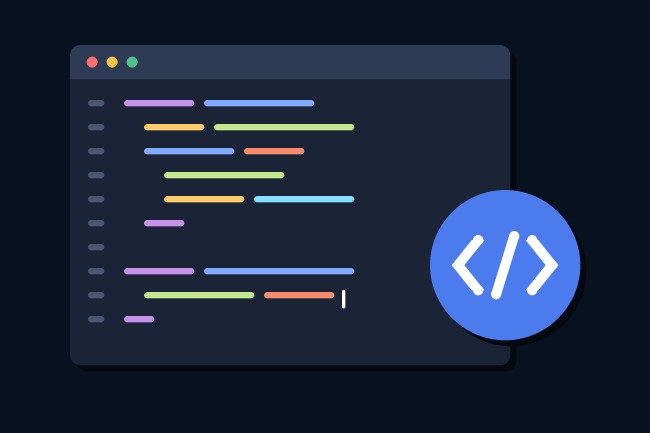
Header and footer code in snippets: scripts, stylesheets or markup in the head, right after <body> or before </body>, each switched on or off and run on the whole public site, the client area, the admin area or only the pages you name.
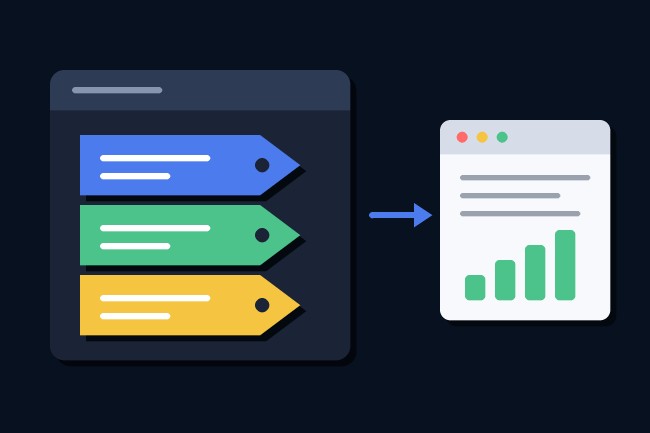
Add your Google Tag Manager container to the public site and, if you choose, the client area: type its GTM- ID once and manage every tag from Google Tag Manager.

Resell licences for Laika IT products (Laika Bill Manager and more) through laikait.com.
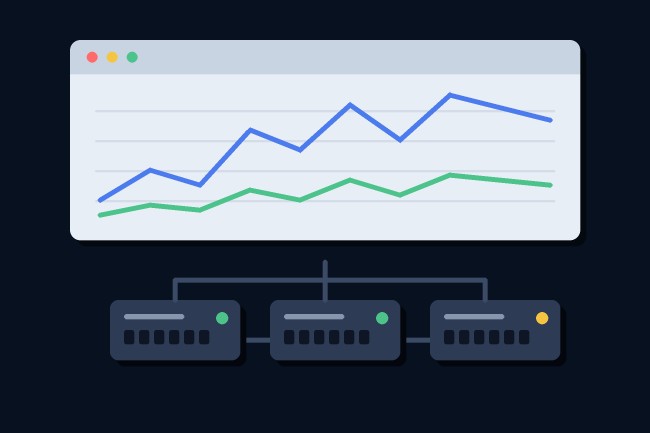
Switches, routers and OLTs read over SNMP: ports live with traffic graphs, and on a service's support page its switch port or ONU (signal in dBm, status, PON port). For ISPs.

A staff noticeboard: notes in colour that staff pin up for each other and close when done, filtered by status, date and search; the newest on the dashboard with how many are new.

Search-engine basics for the public site: canonical address, Open Graph and Twitter tags, a default description, site verification, a sitemap.xml built from the shop and help pages, and a robots.txt.
Readable messages in Slack, Discord or Telegram (or at a plain address) when an order, payment, ticket or other event happens, each destination with its own choice of events, a test button and a log.